

Human Brain: Structure & Functions
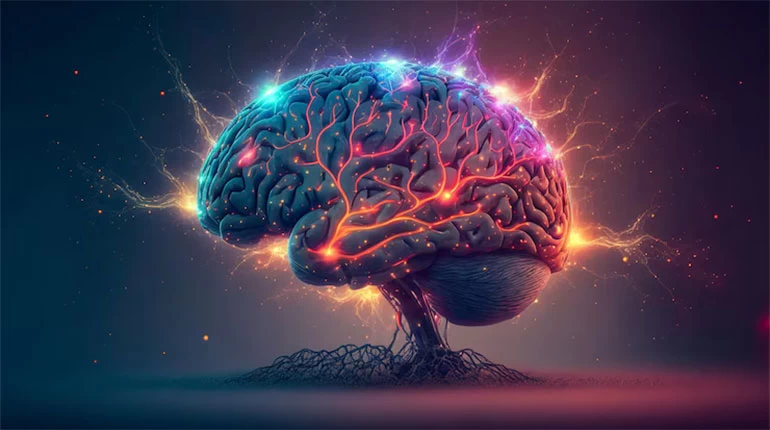
Human Brain: Structure and Function
The human brain is a complex organ that serves as the command center for the human nervous system. It is responsible for controlling thought, memory, emotion, touch, motor skills, vision, breathing, temperature, and many more functions that regulate our body. Weighing about 3 pounds (1.4 kilograms), the brain is a highly intricate organ comprising approximately 100 billion neurons and 100 trillion connections. This detailed description aims to delve into the structure and functions of the human brain, exploring its various parts and their roles.
Structure of the Human Brain
The human brain is divided into several main parts, each with distinct functions:
- Cerebrum
- Cerebellum
- Brainstem
- Diencephalon
1. Cerebrum
The cerebrum is the largest part of the brain, making up about 85% of its weight. It is divided into two hemispheres (left and right), each controlling the opposite side of the body. The cerebrum is responsible for higher brain functions such as thought, action, and personality.
Lobes of the Cerebrum:
- Frontal Lobe: Involved in cognitive functions such as decision-making, problem-solving, and planning, as well as controlling voluntary movement.
- Parietal Lobe: Processes sensory information it receives from the outside world, mainly relating to spatial sense and navigation.
- Temporal Lobe: Involved in processing auditory information and is also important for the processing of semantics in both speech and vision.
- Occipital Lobe: Primarily responsible for visual processing.
Cortex: The outer layer of the cerebrum is called the cerebral cortex. It is made up of gray matter, consisting of neuronal cell bodies and capillaries. The cortex is crucial for sensory perception, cognition, generation of motor commands, spatial reasoning, and language.
2. Cerebellum
Located under the cerebrum at the back of the brain, the cerebellum is smaller but very important. It plays a key role in motor control, coordination, precision, and accurate timing. It receives input from the sensory systems and other parts of the brain and spinal cord and integrates these inputs to fine-tune motor activity.
Functions of the Cerebellum:
- Coordination of Voluntary Movements: Ensures smooth and balanced muscular activity.
- Posture and Balance: Helps maintain balance and posture by coordinating the muscles used for these functions.
- Motor Learning: Involved in learning new motor skills.
3. Brainstem
The brainstem connects the cerebrum with the spinal cord and consists of the midbrain, pons, and medulla oblongata. It is responsible for basic life functions such as breathing, heartbeat, and blood pressure.
- Midbrain: Controls eye movement and processes visual and auditory information.
- Pons: Relays messages between the cortex and the cerebellum and plays a key role in sleep and arousal.
- Medulla Oblongata: Regulates vital functions such as heart rate, breathing, and blood pressure.
4. Diencephalon
The diencephalon is located between the cerebrum and the brainstem and consists of the thalamus and hypothalamus.
- Thalamus: Acts as a relay station for sensory and motor signals to the cerebral cortex. It also plays a role in the regulation of consciousness, sleep, and alertness.
- Hypothalamus: Regulates various autonomic functions such as temperature regulation, thirst, hunger, sleep, and emotional activity. It also controls the pituitary gland, thereby linking the nervous system to the endocrine system.
Functional Aspects of the Human Brain
The brain’s functionality can be divided into several key areas: sensory functions, motor functions, integrative functions, and higher cognitive functions.
Sensory Functions
- Visual Processing: The occipital lobe is primarily responsible for visual perception. It processes information from the eyes, interprets color, light, and movement, and allows us to recognize and identify objects.
- Auditory Processing: The temporal lobe processes sounds. It is involved in the understanding of spoken language, music, and environmental sounds.
- Somatosensory Processing: The parietal lobe processes tactile information such as touch, temperature, and pain.
- Olfactory and Gustatory Processing: The temporal lobe, in conjunction with the limbic system, processes smells and tastes.
Motor Functions
The brain controls voluntary movements through the motor cortex located in the frontal lobe. It sends signals to muscles to contract and produce movement. The cerebellum fine-tunes these movements to ensure they are smooth and coordinated.
- Primary Motor Cortex: Directly initiates voluntary movements.
- Premotor Cortex: Prepares and plans movements.
- Supplementary Motor Area: Coordinates complex movements.
Integrative Functions
The brain integrates sensory and motor functions to produce coordinated actions. This includes:
- Sensory Integration: Combining information from different senses to form a cohesive perception of the environment.
- Motor Integration: Coordinating different muscle groups to produce smooth, purposeful movements.
- Language Processing: The brain integrates auditory and visual information to understand and produce language. Broca's area (in the frontal lobe) and Wernicke's area (in the temporal lobe) are crucial for language production and comprehension, respectively.
Higher Cognitive Functions
- Memory: The hippocampus, located in the temporal lobe, is crucial for forming new memories. The prefrontal cortex is involved in working memory and the organization of thoughts.
- Emotion: The limbic system, which includes the amygdala, is involved in processing emotions such as fear, pleasure, and anger.
- Executive Functions: These include higher-level processes such as reasoning, problem-solving, planning, and decision-making. The prefrontal cortex plays a significant role in these functions.
- Consciousness: The cerebral cortex, especially the prefrontal cortex, is involved in maintaining consciousness and self-awareness.
Neurotransmitters and Neural Communication
Neurons communicate with each other through electrical and chemical signals. Neurotransmitters are the chemical messengers that transmit signals across synapses from one neuron to another.
- Dopamine: Involved in reward, motivation, and motor control.
- Serotonin: Regulates mood, appetite, and sleep.
- Acetylcholine: Involved in muscle activation, learning, and memory.
- GABA (Gamma-Aminobutyric Acid): The main inhibitory neurotransmitter, which reduces neuronal excitability.
- Glutamate: The main excitatory neurotransmitter, involved in learning and memory.
Brain Plasticity
The brain is highly plastic, meaning it can change and adapt in response to new experiences, learning, and injury. This plasticity is crucial for learning and memory and allows the brain to compensate for lost functions or to maximize remaining functions in the event of brain damage.
Conclusion
The human brain is an incredibly complex and powerful organ. Its structure and functions are intricately designed to control every aspect of human life, from basic survival functions to higher cognitive processes. Understanding the brain's structure and functions provides insight into how we think, feel, and interact with the world, and highlights the remarkable capabilities of this central organ of the nervous system.
Questions And Answers
The human brain is an extraordinarily complex organ that serves as the control center for the entire body. It is responsible for everything from the most basic physiological processes to the most intricate cognitive functions. Understanding its main parts and their respective roles provides insight into how this organ works to coordinate the body's functions. The main parts of the brain include the cerebrum, cerebellum, brainstem, and diencephalon. Each of these areas has distinct structures and functions that contribute to the overall operation of the brain.
The cerebral cortex, the outermost layer of the cerebrum, is crucial for numerous complex brain functions, including perception, thought, memory, and voluntary movement. It is divided into four main lobes: the frontal lobe, parietal lobe, temporal lobe, and occipital lobe. Each of these lobes has distinct roles, contributing to the diverse capabilities of the human brain. This detailed exploration will delve into the functions and significance of each lobe.
The cerebellum, located at the back of the brain beneath the occipital lobes, is a critical structure responsible for various essential functions related to motor control, coordination, precision, balance, and cognitive processes. Despite being smaller than the cerebrum, the cerebellum contains more than half of the brain's neurons and plays a pivotal role in ensuring smooth and coordinated movement, as well as contributing to cognitive functions. This comprehensive exploration delves into the key functions of the cerebellum, its anatomical structure, and its significance in both motor and cognitive processes.
The brainstem, located at the base of the brain and connecting it to the spinal cord, is a crucial structure responsible for controlling many vital bodily functions. These include regulating heart rate, breathing, sleeping, eating, and maintaining consciousness. The brainstem comprises three main parts: the midbrain, the pons, and the medulla oblongata. Each of these regions has specialized functions that contribute to the overall operation of the brainstem. This comprehensive exploration delves into the anatomy and key functions of the brainstem, highlighting its significance in maintaining essential life processes.
The brainstem, a crucial structure at the base of the brain, serves as a conduit for communication between the brain and the spinal cord. It is responsible for regulating several vital functions essential for survival. The brainstem comprises three primary components: the midbrain, the pons, and the medulla oblongata. Each of these components has distinct anatomical features and specialized functions.
The thalamus, a vital brain structure located deep within the brain’s center, serves as the brain's relay station. It plays a crucial role in processing and transmitting information between various brain regions, particularly in relation to sensory and motor signals. The thalamus also has significant roles in regulating consciousness, sleep, and alertness. To thoroughly understand the thalamus’s role, it is essential to explore its anatomy, functions, and connections with other brain regions.
The hypothalamus, a small but crucial part of the brain, plays a central role in maintaining homeostasis by regulating the body’s autonomic functions. Located below the thalamus and forming the floor of the third ventricle, the hypothalamus controls various autonomic processes through its intricate network of connections with the nervous and endocrine systems. This regulatory hub influences numerous physiological states, including temperature regulation, hunger and satiety, thirst, circadian rhythms, emotional responses, and more.
The primary motor cortex (PMC), located in the precentral gyrus of the frontal lobe, is a crucial brain area responsible for the planning, control, and execution of voluntary movements. The PMC is anatomically defined as Brodmann area 4 and is a part of the motor cortex, which also includes the premotor cortex and the supplementary motor area (SMA). Understanding the primary motor cortex’s anatomy, functions, and its role in motor control provides insights into how the brain orchestrates complex and precise movements.
The hippocampus, a critical brain structure located within the medial temporal lobe, plays a central role in the formation, organization, and retrieval of memories. Named after its seahorselike shape, the hippocampus is crucial for various types of memory processes, particularly episodic and spatial memory. This detailed exploration will delve into the anatomy of the hippocampus, its specific functions in memory formation, its neural connections, and the clinical implications of hippocampal dysfunction.
The human brain is divided into two hemispheres, the left and right, each with specialized functions and characteristics. Understanding these differences helps explain how the brain processes information, performs tasks, and contributes to overall cognitive functioning.
