

Service

Mind-Body Relationship
The Mind-Body Relationship is a multifaceted concept that encompasses psychological, physiological, philosophical, and spiritual aspects and understanding the relationship and interactions between mind and body shape our overall well-being, and the implications for health, disease, and human experience.
Read More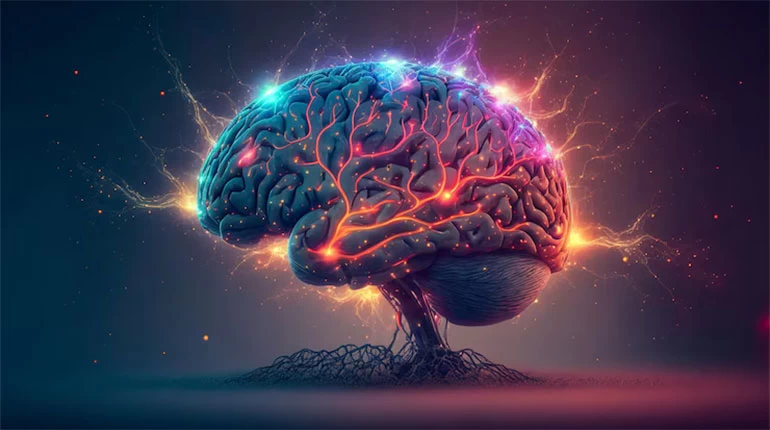
Human Brain: Structure & Functions
The human brain, a complex organ, consists of the cerebrum, cerebellum, and brainstem. The cerebrum controls higher functions like thinking and memory, the cerebellum manages balance and coordination, and the brainstem regulates vital functions like breathing. Neurons transmit signals, while different brain regions specialize in processes like sensory perception, emotions, and decision-making.
Read More
Creativity
Creativity, one of the most celebrated and enigmatic qualities of the human mind, is the ability to transcend traditional ideas, rules, patterns, relationships, or the like, and to create meaningful new ideas, forms, methods, interpretations, etc.
Read More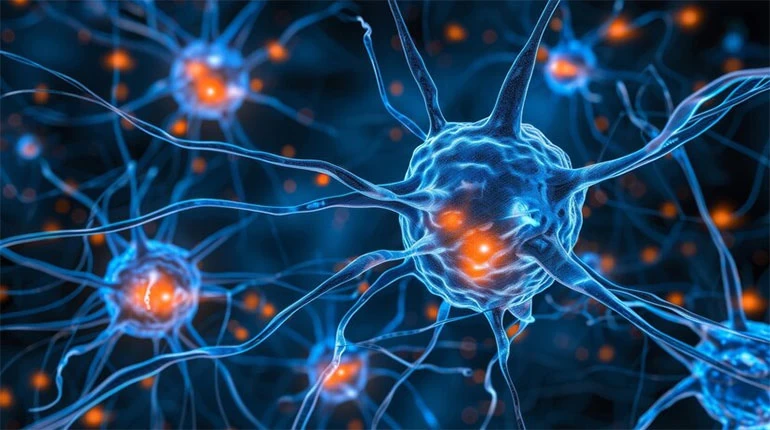
Neurochemicals
Neurochemicals are substances, like neurotransmitters and hormones, that facilitate communication between neurons in the brain. Key neurochemicals include dopamine (reward), serotonin (mood), and acetylcholine (memory). They regulate various functions, including mood, cognition, and behavior. Imbalances in neurochemicals can lead to mental health disorders, affecting overall brain function and well-being.
Read More
Attention
Attention is the cognitive process of selectively focusing on specific information while ignoring other stimuli. It enhances perception, allowing the brain to process relevant data more efficiently. Attention can be conscious or automatic, and it is essential for tasks like learning, problem-solving, and responding to environmental changes effectively.
Read More


Emotions
Emotions are complex reactions that involve both physical and psychological responses to various stimuli. They range from joy, love, and excitement to sadness, anger, and fear. Emotions influence thoughts, behavior, and decision-making. They are vital to human experience, shaping relationships and how individuals perceive the world around them.
Read More
Sleep
Sleep is a natural, essential process in which the body and mind rest, rejuvenate, and repair. It involves cycles of light and deep stages, including REM, where dreaming occurs. Sleep supports memory consolidation, mood regulation, and overall health, making it vital for physical and mental well-being.
Read More
Breathing
Breathing is the process of inhaling oxygen and exhaling carbon dioxide. It involves the diaphragm and respiratory muscles, drawing air into the lungs. Oxygen is absorbed into the bloodstream, vital for cellular function. Exhalation expels carbon dioxide, a waste product. Breathing is essential for life and can be conscious or automatic.
Read More
Exercise: An In-Depth Exploration
Exercise, a crucial component of a healthy lifestyle, encompassing various activities that improve or maintain physical fitness and overall health, enhances cardiovascular health, strengthens muscles and improves mental well-being, playing a vital role in the holistic development of an individual.
Read More
Gut-Brain Axis
The Gut-Brain Axis is the communication network between the gut and the brain. It involves direct and indirect pathways, including neural connections like the vagus nerve, hormonal signaling, and the gut microbiota. This axis influences digestion, mood, and overall health. The gut's microbiota, or gut bacteria, can affect brain function by producing neurotransmitters and other compounds. Conversely, the brain can impact gut health, especially during stress. Disruptions in this axis are linked to conditions like IBS, anxiety, and depression, emphasizing its role in health and disease.
Read More
Meditation
Meditation is an ancient practice that has been utilized for thousands of years across various cultures and spiritual traditions. It involves a range of techniques aimed at training attention and awareness, achieving mental clarity, emotional calmness, and a state of relaxation.
Read More
Immune System
The immune system is the body's defense mechanism against infections and diseases. It consists of a complex network of cells, tissues, and organs, including white blood cells, antibodies, and the lymphatic system, working together to identify and eliminate pathogens like bacteria, viruses, and other harmful invaders.
Read More
Hormones
Hormones are chemical messengers produced by glands in the endocrine system. They travel through the bloodstream to tissues and organs, regulating various bodily functions such as growth, metabolism, reproduction, and mood. Each hormone has specific roles and targets different parts of the body to maintain balance and homeostasis.
Read More
Micronutrients
Micronutrients are essential vitamins and minerals that the body needs in small amounts to function properly. They play vital roles in maintaining health, supporting immune function, enabling energy production, and ensuring normal growth and development. Common micronutrients include vitamins A, C, D, E, and K, as well as minerals like iron, zinc, iodine, and calcium. Despite their small required quantities, deficiencies in micronutrients can lead to significant health issues.
Read More
Stress
Stress is the body's natural response to challenges or demands, triggering physical, emotional, and mental reactions. It can be caused by various factors, such as work, relationships, or life changes. While short-term stress can be motivating, chronic stress can lead to health issues, including anxiety, depression, and physical ailments. Managing stress through relaxation techniques, exercise, and healthy lifestyle choices is essential for maintaining overall well-being.
Read More
Focus
Focus is the ability to concentrate your attention on a specific task or goal, filtering out distractions to achieve clarity and efficiency. It involves directing mental and physical resources toward a single objective, enabling better performance, deeper understanding, and more effective problem-solving. Focus is essential for productivity and success.
Read More
Habits
Habits are routine behaviors or practices that people engage in regularly, often subconsciously. They can be positive, like exercising daily or brushing teeth, or negative, such as biting nails or procrastinating. Habits form through repetition, becoming automatic responses to specific triggers or cues in our environment. Developing good habits can lead to improved health, productivity, and overall well-being, while breaking bad habits often requires conscious effort, willpower, and strategies like replacing them with better ones.
Read More
Neuroplasticity
Neuroplasticity is the brain's ability to reorganize and adapt by forming new neural connections throughout life. This flexibility enables learning, memory formation, and recovery from injuries. Experiences, behavior, and environment can reshape brain structures, allowing it to compensate for lost functions or enhance cognitive abilities.
Read More