

Immune System
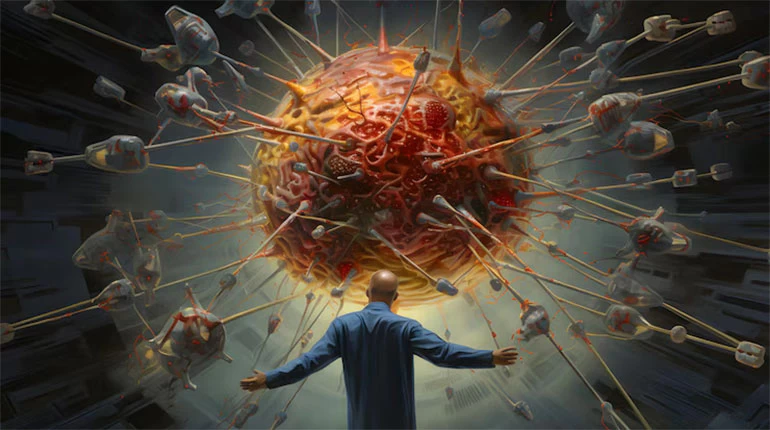
Immune System: Introduction
The immune system is a complex network of cells, tissues, and organs that work together to protect the body from harmful invaders, such as bacteria, viruses, fungi, and parasites. It plays a crucial role in maintaining health and preventing disease by identifying and neutralizing pathogens and other foreign substances. This comprehensive guide explores the structure and function of the immune system, its different components, the mechanisms by which it defends the body, and its importance in overall health.
The Basics of the Immune System
1. Definition and Function:
- The immune system is the body's defense mechanism against infections and diseases. Its primary function is to identify and eliminate pathogens, such as bacteria, viruses, fungi, and parasites, as well as to detect and destroy abnormal cells, such as cancer cells.
2. Key Functions:
- Detection: Recognizing foreign invaders and distinguishing them from the body's own cells.
- Response: Mobilizing cells and molecules to attack and eliminate pathogens.
- Memory: Remembering past infections to mount a faster and stronger response upon re-exposure.
Components of the Immune System
The immune system comprises various components that work together to protect the body. These components include:
1. White Blood Cells (Leukocytes):
- White blood cells are the primary cells of the immune system. They are produced in the bone marrow and circulate in the blood and lymphatic system.
2. Primary Immune Organs:
- Bone Marrow: The bone marrow is the soft tissue inside bones where all blood cells, including white blood cells, are produced.
- Thymus: The thymus is a small organ located behind the sternum. It is where T-cells (a type of white blood cell) mature.
3. Secondary Immune Organs:
- Lymph Nodes: Lymph nodes are small, bean-shaped structures that filter lymphatic fluid and trap pathogens. They contain immune cells that respond to infections.
- Spleen: The spleen is an organ located in the upper left abdomen that filters blood, removes old or damaged blood cells, and helps fight infections.
- Tonsils and Adenoids: These are lymphoid tissues located in the throat that help detect and respond to pathogens entering through the mouth and nose.
4. Other Immune Tissues:
- Mucosa-Associated Lymphoid Tissue (MALT): MALT includes lymphoid tissues in the mucous membranes of the respiratory, digestive, and urogenital tracts. It helps protect these areas from infections.
Types of Immunity
The immune system provides two main types of immunity: innate (nonspecific) immunity and adaptive (specific) immunity.
1. Innate Immunity:
Overview: Innate immunity is the first line of defense against infections. It is present from birth and provides immediate but nonspecific protection.
Components:
- Physical Barriers: Skin, mucous membranes, and cilia that block the entry of pathogens.
- Chemical Barriers: Enzymes, stomach acid, and antimicrobial peptides that destroy pathogens.
- Cellular Defenses: White blood cells such as neutrophils, macrophages, dendritic cells, and natural killer cells that identify and eliminate pathogens.
Inflammatory Response: A localized response to infection or injury that involves redness, heat, swelling, and pain. It helps isolate and eliminate pathogens.
2. Adaptive Immunity:
Overview: Adaptive immunity is a specialized and highly specific defense mechanism that develops in response to exposure to specific pathogens. It provides long-lasting protection through memory cells.
Components:
- T-Cells: These are a type of white blood cell that play a crucial role in adaptive immunity. They are involved in cell-mediated immunity and help coordinate the immune response.
(a) Helper T-Cells (CD4+ T-Cells): Activate other immune cells and help B-cells produce antibodies.
(b) Cytotoxic T-Cells (CD8+ T-Cells): Directly kill infected or abnormal cells.
- B-Cells: These are a type of white blood cell that produce antibodies, which are proteins that specifically target and neutralize pathogens.
- Antibodies (Immunoglobulins): These are proteins produced by B-cells that recognize and bind to specific antigens (foreign substances) on pathogens, marking them for destruction.
The Immune Response
The immune response involves several steps that allow the body to detect, respond to, and eliminate pathogens.
1. Recognition:
- Pathogen Recognition Receptors (PRRs): Innate immune cells have receptors that recognize common molecular patterns on pathogens, known as pathogen-associated molecular patterns (PAMPs).
- Antigen Presentation: Dendritic cells and macrophages engulf pathogens, process them, and present antigens (fragments of the pathogen) on their surface to T-cells, initiating the adaptive immune response.
2. Activation:
- T-Cell Activation: Helper T-cells recognize antigens presented by antigen-presenting cells and become activated. They then help activate other immune cells.
- B-Cell Activation: B-cells recognize antigens directly or with the help of helper T-cells. Activated B-cells differentiate into plasma cells, which produce antibodies.
3. Response:
- Antibody Production: Antibodies bind to specific antigens on pathogens, neutralizing them and marking them for destruction by other immune cells.
- Cell-Mediated Immunity: Cytotoxic T-cells directly kill infected or abnormal cells.
- Phagocytosis: Macrophages and neutrophils engulf and digest pathogens and debris.
4. Memory:
- Memory Cells: After an infection is cleared, some T-cells and B-cells become memory cells. These cells provide long-lasting immunity by quickly recognizing and responding to future infections by the same pathogen.
The Importance of the Immune System
1. Protection Against Infections:
- The immune system is essential for protecting the body against infections caused by bacteria, viruses, fungi, and parasites. Without a functioning immune system, the body would be vulnerable to frequent and severe infections.
2. Surveillance and Elimination of Abnormal Cells:
- The immune system continuously monitors the body for abnormal cells, such as cancer cells. It can recognize and eliminate these cells before they develop into tumors.
3. Healing and Tissue Repair:
- The immune system plays a crucial role in the healing process. It helps remove dead and damaged cells, promotes tissue repair, and controls inflammation.
4. Vaccination:
- Vaccination works by stimulating the adaptive immune system to develop memory cells against specific pathogens. This provides long-lasting protection against infections without causing the disease itself.
Disorders of the Immune System
The immune system can sometimes malfunction, leading to various disorders:
1. Immunodeficiency:
- Primary Immunodeficiency: These are genetic disorders that result in a weakened immune system from birth. Examples include Severe Combined Immunodeficiency (SCID) and Common Variable Immunodeficiency (CVID).
- Secondary Immunodeficiency: These are acquired conditions that weaken the immune system. Examples include HIV/AIDS, malnutrition, and certain medications like chemotherapy.
2. Autoimmune Diseases:
- Overview: Autoimmune diseases occur when the immune system mistakenly attacks the body's own tissues. The cause is often unknown, but genetic and environmental factors may play a role.
- Examples:
(a) Rheumatoid Arthritis: The immune system attacks the joints, causing inflammation and pain.
(b) Systemic Lupus Erythematosus (SLE): The immune system attacks multiple organs and tissues, including the skin, kidneys, and heart.
(c) Type 1 Diabetes: The immune system attacks insulin-producing cells in the pancreas.
3. Allergies and Hypersensitivities:
- Overview: Allergies occur when the immune system overreacts to harmless substances, such as pollen, pet dander, or certain foods.
- Types:
(a) Immediate Hypersensitivity (Type I): Includes common allergies like hay fever and asthma, mediated by IgE antibodies.
(b) Delayed Hypersensitivity (Type IV): Includes reactions like contact dermatitis, mediated by T-cells.
4. Inflammatory Diseases:
- Overview: Chronic inflammation can contribute to various diseases, such as cardiovascular disease, diabetes, and certain cancers.
- Examples:
(a) Inflammatory Bowel Disease (IBD): Chronic inflammation of the digestive tract, including Crohn's disease and ulcerative colitis.
(b) Atherosclerosis: Chronic inflammation of the blood vessels, leading to the buildup of plaques and cardiovascular disease.
Supporting a Healthy Immune System
Maintaining a healthy immune system is essential for overall health and well-being. Here are some strategies to support immune function:
1. Healthy Diet:
- Nutrients: Ensure a balanced diet rich in vitamins and minerals, such as vitamin C, vitamin D, zinc, and selenium, which are essential for immune function.
- Antioxidants: Consume foods high in antioxidants, such as fruits and vegetables, to protect immune cells from damage.
2. Regular Exercise:
- Physical Activity: Engage in regular moderate exercise to boost immune function and reduce inflammation.
- Avoid Overtraining: Avoid excessive exercise, as it can weaken the immune system.
3. Adequate Sleep:
- Sleep Quality: Ensure adequate and quality sleep, as sleep is crucial for immune regulation and recovery.
- Sleep Hygiene: Practice good sleep hygiene, such as maintaining a regular sleep schedule and creating a restful sleep environment.
4. Stress Management:
- Reduce Stress: Chronic stress can suppress immune function. Practice stress-reducing techniques, such as meditation, yoga, and deep breathing exercises.
- Mind-Body Practices: Engage in mind-body practices, such as tai chi and qigong, which have been shown to support immune health.
5. Hydration:
- Stay Hydrated: Drink plenty of water to support overall health and immune function.
6. Avoid Harmful Habits:
- Limit Alcohol: Excessive alcohol consumption can weaken the immune system. Drink alcohol in moderation.
- Quit Smoking: Smoking damages the immune system and increases the risk of infections and diseases. Seek support to quit smoking.
7. Vaccination:
- Stay Up-to-Date: Ensure vaccinations are up-to-date to provide protection against preventable diseases.
- Follow Guidelines: Follow public health guidelines for vaccination schedules and booster shots.
8. Hygiene Practices:
- Handwashing: Practice regular handwashing to reduce the risk of infections.
- Clean Environment: Maintain a clean living environment to minimize exposure to pathogens.
Advances in Immunology and Future Directions
Immunology is a rapidly advancing field, with ongoing research exploring new ways to enhance immune function and treat immune-related disorders:
1. Immunotherapy:
- Cancer Treatment: Immunotherapy uses the body's immune system to fight cancer. Techniques include immune checkpoint inhibitors, CAR-T cell therapy, and cancer vaccines.
- Autoimmune Diseases: Research is exploring ways to modulate the immune system to treat autoimmune diseases, such as using biologics that target specific immune pathways.
2. Vaccine Development:
- New Vaccines: Advances in vaccine technology are leading to the development of new vaccines for infectious diseases, including mRNA vaccines and vector-based vaccines.
- Personalized Vaccines: Research is exploring personalized vaccines tailored to individual genetic profiles and immune responses.
3. Microbiome Research:
- Gut-Immune Axis: The gut microbiome plays a crucial role in immune regulation. Research is exploring how modifying the microbiome can enhance immune health and treat immune-related diseases.
- Probiotics and Prebiotics: Probiotics and prebiotics are being studied for their potential to support immune function by promoting a healthy microbiome.
4. Genetic and Molecular Insights:
- Genetic Engineering: Advances in genetic engineering, such as CRISPR-Cas9, are enabling precise modifications to the immune system to treat genetic disorders and enhance immune responses.
- Molecular Pathways: Understanding the molecular pathways involved in immune responses is leading to the development of targeted therapies for immune-related diseases.
Conclusion
The immune system is a complex and vital network that protects the body from infections, diseases, and harmful substances. It comprises various components, including white blood cells, primary and secondary immune organs, and other immune tissues. The immune system provides both innate and adaptive immunity, working together to detect, respond to, and remember pathogens.
Maintaining a healthy immune system is essential for overall health and well-being. Strategies to support immune function include a balanced diet, regular exercise, adequate sleep, stress management, hydration, avoiding harmful habits, vaccination, and good hygiene practices.
Advances in immunology are leading to new and innovative approaches to enhance immune function, treat immune-related disorders, and develop new vaccines and therapies. As research continues to uncover the complexities of the immune system, our ability to support and manipulate immune responses for better health outcomes will continue to grow. Understanding the immune system and its functions empowers individuals to take proactive steps to maintain immune health and prevent disease, contributing to a healthier and more resilient population.
Questions And Answers
The immune system's ability to distinguish between self and non-self is fundamental to its function of protecting the body against infections while avoiding damage to its own tissues. This distinction is achieved through a complex interplay of cellular and molecular mechanisms that recognize and respond to foreign substances, or antigens, while maintaining tolerance to the body's own cells and proteins. Understanding how this process works involves exploring the roles of major histocompatibility complex (MHC) molecules, immune receptors, and the processes of immune tolerance and autoimmunity.
The immune system is the body's defense mechanism against pathogens, such as bacteria, viruses, fungi, and parasites. It comprises two main components: innate immunity and adaptive immunity. These systems work together to provide a comprehensive defense against infections. While both types of immunity aim to protect the body, they differ significantly in their mechanisms, speed of response, specificity, memory, and components. This comprehensive exploration will detail the differences between innate and adaptive immunity.
Antibodies, also known as immunoglobulins (Ig), are specialized proteins produced by the immune system to identify and neutralize foreign objects like bacteria, viruses, and toxins. These proteins are essential components of the adaptive immune response, providing specificity, versatility, and memory. This comprehensive guide explores the structure of antibodies, their functions, and their roles in health and disease.
Vaccination is one of the most effective public health interventions for preventing infectious diseases. It works by stimulating the immune system to develop protection against specific pathogens without causing the diseases they would otherwise produce. This comprehensive guide explores the mechanisms behind vaccination, the types of vaccines, their roles in public health, and the impact of vaccines on disease prevention.
Autoimmune diseases occur when the immune system mistakenly targets and attacks the body's own tissues. Instead of protecting the body against harmful invaders such as bacteria and viruses, the immune system becomes misdirected, leading to chronic inflammation and tissue damage. This comprehensive guide explores the causes of autoimmune diseases, the mechanisms behind them, and provides examples of common autoimmune diseases.
A weakened immune system, also known as immunodeficiency, can significantly impair the body's ability to fight off infections and diseases. This condition can result from various causes, including genetic disorders, chronic diseases, infections like HIV, malnutrition, and certain medications. Recognizing the signs and symptoms of a weakened immune system is crucial for timely diagnosis and treatment. This comprehensive guide explores the common indicators that may suggest a compromised immune system.
Allergies are a common and often chronic condition where the immune system overreacts to substances that are typically harmless, such as pollen, pet dander, certain foods, and insect stings. This hypersensitivity response can lead to a range of symptoms, from mild discomfort to severe and life-threatening reactions. Understanding how allergies develop and the immune system's role in this process is crucial for managing and potentially preventing allergic conditions. This comprehensive guide explores the mechanisms behind allergy development, the immune system's involvement, and the implications for health and treatment.
Inflammation is a complex biological response of the body’s tissues to harmful stimuli, such as pathogens, damaged cells, or irritants. It is a crucial part of the immune response, serving to eliminate the initial cause of cell injury, clear out damaged cells and tissues, and establish a repair process. This comprehensive guide explores the nature of inflammation, its types, mechanisms, and the role it plays in the immune response, as well as its implications for health and disease.
White blood cells (WBCs), or leukocytes, are essential components of the immune system, playing a pivotal role in protecting the body from infections. These cells circulate through the bloodstream and tissues, identifying and neutralizing foreign invaders such as bacteria, viruses, fungi, and parasites. This comprehensive guide explores the different types of white blood cells, their functions, mechanisms of action, and their roles in the immune response to infections.
The immune system's ability to remember past infections, known as immunological memory, is a fundamental feature that allows it to respond more rapidly and effectively to subsequent encounters with the same pathogen. This memory is the basis for long-term immunity and the effectiveness of vaccines. This comprehensive guide explores the mechanisms underlying immunological memory, the types of immune cells involved, and the significance of this process in maintaining health and preventing disease.
