

Neurochemicals
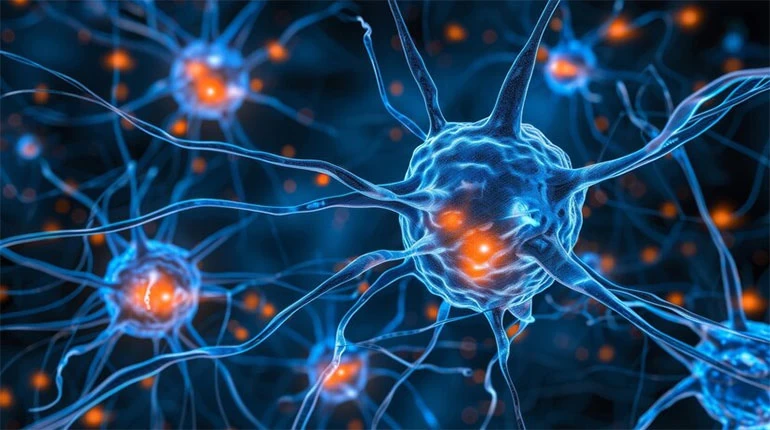
Neurochemicals
Neurochemicals, also known as neurotransmitters, play a critical role in the functioning of the brain and nervous system. They are responsible for transmitting signals between neurons, facilitating communication across synapses, and influencing a wide range of physiological and psychological processes. This essay provides an in-depth exploration of neurochemicals, covering their types, functions, mechanisms of action, and their impact on health and behavior.
Introduction to Neurochemicals
Neurochemicals are endogenous chemicals that enable neurotransmission, a process critical for communication within the nervous system. They are synthesized in neurons, stored in vesicles, and released into the synaptic cleft in response to an action potential. Upon release, they bind to specific receptors on the postsynaptic neuron, initiating a cascade of events that influence the activity of that neuron.
Types of Neurochemicals
Neurochemicals can be broadly categorized into several types, including classical neurotransmitters, neuropeptides, and other signaling molecules.
Classical Neurotransmitters
1. Acetylcholine (ACh)
- Acetylcholine is involved in many functions, including muscle contraction, arousal, attention, memory, and motivation. It acts on two types of receptors: nicotinic and muscarinic receptors. Dysfunction in the cholinergic system is associated with disorders such as Alzheimer's disease.
2. Dopamine
- Dopamine plays a crucial role in reward, motivation, motor control, and regulation of mood. It acts on five types of dopamine receptors (D1-D5). Dysregulation of dopamine pathways is linked to conditions like Parkinson's disease, schizophrenia, and addiction.
3. Norepinephrine (Noradrenaline)
- Norepinephrine is involved in arousal, alertness, attention, and stress response. It acts on alpha and beta adrenergic receptors. Abnormalities in norepinephrine levels are associated with mood disorders such as depression and anxiety.
4. Serotonin (5-HT)
- Serotonin influences mood, emotion, sleep, appetite, and cognition. It acts on a diverse family of serotonin receptors (5-HT1 to 5-HT7). Imbalances in serotonin levels are linked to depression, anxiety, and other psychiatric disorders.
5. Gamma-Aminobutyric Acid (GABA)
- GABA is the primary inhibitory neurotransmitter in the central nervous system. It acts on GABA_A and GABA_B receptors. GABAergic inhibition is crucial for controlling neuronal excitability and preventing seizures. Dysfunction in the GABA system is implicated in epilepsy, anxiety disorders, and schizophrenia.
6. Glutamate
- Glutamate is the main excitatory neurotransmitter in the brain. It acts on ionotropic receptors (NMDA, AMPA, kainate) and metabotropic receptors (mGluRs). Glutamatergic signaling is essential for synaptic plasticity, learning, and memory. Overactivation of glutamate receptors can lead to excitotoxicity and is associated with neurodegenerative diseases like Alzheimer's and ALS.
Neuropeptides
Neuropeptides are small protein-like molecules that act as neurotransmitters or neuromodulators. They include:
1. Endorphins and Enkephalins
- These neuropeptides act as natural painkillers and are involved in the regulation of pain and stress. They bind to opioid receptors and can produce effects similar to those of opiate drugs.
2. Substance P
- Substance P is involved in the transmission of pain signals and is associated with inflammatory processes. It acts on neurokinin receptors.
3. Neuropeptide Y (NPY)
- NPY is involved in regulating appetite, stress response, and circadian rhythms. It acts on Y receptors (Y1-Y5).
4. Oxytocin and Vasopressin
- These neuropeptides play roles in social bonding, reproduction, and fluid balance. Oxytocin is often referred to as the "love hormone," while vasopressin is involved in water retention and blood pressure regulation.
Other Signaling Molecules
1. Endocannabinoids
- Endocannabinoids, such as anandamide and 2-arachidonoylglycerol (2-AG), are involved in regulating mood, appetite, pain, and memory. They act on cannabinoid receptors (CB1 and CB2).
2. Nitric Oxide (NO)
- Nitric oxide is a gaseous neurotransmitter that diffuses freely across cell membranes. It is involved in vasodilation, neural signaling, and immune response.
Functions of Neurochemicals
Neurochemicals are integral to a wide range of physiological and psychological functions. Their actions can be excitatory, inhibitory, or modulatory, depending on the receptors they bind to and the context in which they are released.
1. Excitatory and Inhibitory Functions
- Excitatory neurochemicals, such as glutamate, increase the likelihood of an action potential in the postsynaptic neuron by depolarizing the membrane. In contrast, inhibitory neurochemicals, such as GABA, decrease the likelihood of an action potential by hyperpolarizing the membrane.
2. Modulatory Functions
- Neurochemicals like dopamine, serotonin, and norepinephrine often have modulatory roles, fine-tuning the activity of neuronal circuits and influencing various brain functions. For example, dopamine modulates reward and pleasure pathways, while serotonin modulates mood and emotional responses.
3. Synaptic Plasticity
- Neurochemicals play a crucial role in synaptic plasticity, the ability of synapses to strengthen or weaken over time. Long-term potentiation (LTP) and long-term depression (LTD) are processes that underlie learning and memory, involving changes in the strength of synaptic connections mediated by neurochemicals like glutamate and GABA.
4. Homeostasis
- Neurochemicals are essential for maintaining homeostasis in the nervous system. They regulate vital functions such as sleep-wake cycles, appetite, and stress response. For instance, melatonin regulates sleep, while neuropeptide Y influences appetite and energy balance.
Mechanisms of Action
Neurochemicals exert their effects through a variety of mechanisms, including receptor binding, second messenger systems, and enzymatic degradation.
1. Receptor Binding
Neurochemicals bind to specific receptors on the postsynaptic membrane, triggering a series of events that alter the neuron's activity. Receptors can be ionotropic (ligand-gated ion channels) or metabotropic (G-protein-coupled receptors).
- Ionotropic Receptors: When a neurochemical binds to an ionotropic receptor, it causes an immediate change in the receptor's conformation, opening or closing an ion channel. This leads to a rapid change in the postsynaptic membrane potential.
- Metabotropic Receptors: Binding of a neurochemical to a metabotropic receptor activates a G-protein, which then influences intracellular signaling pathways, often involving second messengers like cyclic AMP (cAMP) or inositol triphosphate (IP3). This results in slower but more sustained changes in the neuron's activity.
2. Second Messenger Systems
Second messenger systems amplify the signal initiated by the neurochemical-receptor interaction. For example, the binding of norepinephrine to beta-adrenergic receptors activates adenylate cyclase, which converts ATP to cAMP. cAMP then activates protein kinase A (PKA), leading to phosphorylation of various proteins and changes in cellular activity.
3. Enzymatic Degradation and Reuptake
Neurochemicals are removed from the synaptic cleft through enzymatic degradation or reuptake into the presynaptic neuron. For example:
- Acetylcholine is broken down by the enzyme acetylcholinesterase into acetate and choline, which are then recycled.
- Serotonin is reabsorbed into the presynaptic neuron by serotonin transporters (SERT), where it can be repackaged into vesicles or degraded by monoamine oxidase (MAO).
Impact on Health and Behavior
The balance and function of neurochemicals are crucial for normal brain function and behavior. Dysregulation of neurochemical systems can lead to various neurological and psychiatric disorders.
1. Mood Disorders
- Imbalances in serotonin, norepinephrine, and dopamine are commonly associated with mood disorders such as depression and bipolar disorder. Selective serotonin reuptake inhibitors (SSRIs) are a class of antidepressants that increase serotonin levels in the brain by inhibiting its reuptake.
2. Anxiety Disorders
- GABA plays a key role in inhibiting excessive neuronal activity associated with anxiety. Benzodiazepines are medications that enhance the effect of GABA at GABA_A receptors, providing anxiolytic effects.
3. Schizophrenia
- Dopamine dysregulation, particularly hyperactivity of dopamine pathways in certain brain regions, is implicated in schizophrenia. Antipsychotic drugs often target dopamine receptors to alleviate symptoms.
4. Parkinson's Disease
- Parkinson's disease is characterized by the degeneration of dopaminergic neurons in the substantia nigra, leading to motor control deficits. Treatment often involves dopamine precursors (like levodopa) or dopamine agonists to restore dopamine levels.
5. Addiction
- Addiction involves alterations in the brain's reward pathways, particularly those involving dopamine. Drugs of abuse can hijack these pathways, leading to increased dopamine release and reinforcing drug-seeking behavior.
6. Neurodegenerative Diseases
- Glutamate excitotoxicity, where excessive glutamate activity leads to neuronal damage, is implicated in neurodegenerative diseases like Alzheimer's disease and amyotrophic lateral sclerosis (ALS). Modulating glutamate activity is a potential therapeutic approach for these conditions.
Conclusion
Neurochemicals are fundamental to the functioning of the nervous system, influencing a wide range of physiological and psychological processes. Understanding their types, functions, mechanisms of action, and impact on health provides valuable insights into the complexities of brain function and behavior. Advances in neuroscience continue to uncover the intricate roles of neurochemicals, offering hope for better treatments and interventions for neurological and psychiatric disorders.
Questions And Answers
Neurochemicals, also known as neurotransmitters, are fundamental to the functioning of the nervous system. These chemicals transmit signals across synapses, the junctions between neurons, to facilitate communication within the brain and throughout the body. Their role in brain function is crucial, affecting everything from basic physiological processes to complex behaviors and emotions. This detailed exploration delves into what neurochemicals are, their types, functions, and the critical importance they hold in maintaining brain health and functionality.
Neurochemicals are substances that play a critical role in the functioning of the nervous system by influencing the activity of neurons. They can be broadly categorized into neurotransmitters, neuromodulators, neurohormones, and neuropeptides. Each of these categories has distinct characteristics and functions. Below is a detailed overview of these categories, highlighting their roles, mechanisms, and examples.
Acetylcholine (ACh) is a critical neurotransmitter in both the central and peripheral nervous systems, playing an essential role in various physiological functions. It was the first neurotransmitter to be discovered, identified by Otto Loewi and Henry Dale in the early 20th century, for which they won the Nobel Prize in Physiology or Medicine in 1936. Acetylcholine is involved in the transmission of nerve impulses, muscle activation, cognitive functions, and more. This essay will delve into the role of acetylcholine in the nervous system, exploring its functions, mechanisms, and significance.
Ionotropic and metabotropic receptors are essential components of the nervous system, responsible for translating chemical signals into cellular responses. Despite their shared goal of mediating synaptic transmission, these receptor types differ fundamentally in their structure, mechanisms of action, and functional implications. This essay delves into the characteristics of ionotropic and metabotropic receptors, their roles in neural communication, and the physiological and pharmacological distinctions between them.
Second messenger systems play a crucial role in the amplification of neurochemical signals within cells. These systems allow a small number of neurotransmitters or hormones (first messengers) to produce large-scale cellular responses. This amplification is vital for the regulation of numerous physiological processes, including metabolism, gene expression, and synaptic plasticity. This essay explores the mechanisms by which second messenger systems amplify neurochemical effects, the key components involved, and their physiological significance.
The synaptic cleft is a critical juncture in neural communication where neurotransmitters are released to transmit signals from one neuron to another. Effective and timely removal of these neurotransmitters from the synaptic cleft is essential to ensure that neural signals are accurately propagated and to prevent continuous stimulation of the postsynaptic neuron, which could lead to detrimental effects on neuronal function. This essay explores the various mechanisms involved in the removal of neurochemicals from the synaptic cleft, including reuptake, enzymatic degradation, diffusion, and the role of glial cells.
Dopamine is a neurotransmitter that plays a crucial role in the brain's reward and motivation systems. Its influence extends across various brain regions, impacting behaviors, emotions, and cognitive processes. Understanding how dopamine affects reward and motivation involves exploring its functions, the neural pathways it engages, and the implications of its activity on human behavior.
Serotonin, a key neurotransmitter in the brain, plays a pivotal role in numerous physiological and psychological processes. Also known as 5-hydroxytryptamine (5-HT), serotonin is synthesized from the amino acid tryptophan and is found extensively in the gastrointestinal tract, blood platelets, and the central nervous system. In the brain, serotonin is critical for regulating mood, cognition, reward, learning, memory, and various other neural functions. This essay will explore the primary functions of serotonin in the brain, examining its impact on mood regulation, cognitive processes, behavior, and overall mental health.
Neurotransmitters play a crucial role in the communication between neurons in the brain. Among the myriad of neurotransmitters, gamma-aminobutyric acid (GABA) and glutamate are two of the most significant, as they are primarily responsible for inhibitory and excitatory signaling, respectively. Understanding the differences between GABA and glutamate, and how they influence neuronal signaling, is essential for comprehending the complex dynamics of the nervous system. This essay will delve into the distinct roles of GABA and glutamate, their mechanisms of action, their impact on various brain functions, and their involvement in neurological disorders.
Parkinson's disease (PD) is a progressive neurodegenerative disorder characterized by motor symptoms such as tremors, bradykinesia (slowness of movement), rigidity, and postural instability. These symptoms result primarily from the loss of dopamine-producing neurons in the substantia nigra, a region of the brain involved in movement control. The consequent neurochemical imbalance, particularly the deficiency of dopamine, underlies the motor and non-motor symptoms of PD.
